
Europe has committed itself to climate neutrality by 2050. The target is legally anchored and politically repeated at every major summit. Yet behind the rhetoric lies a structural truth that is often softened in public debate: emission reductions alone will not deliver net zero.
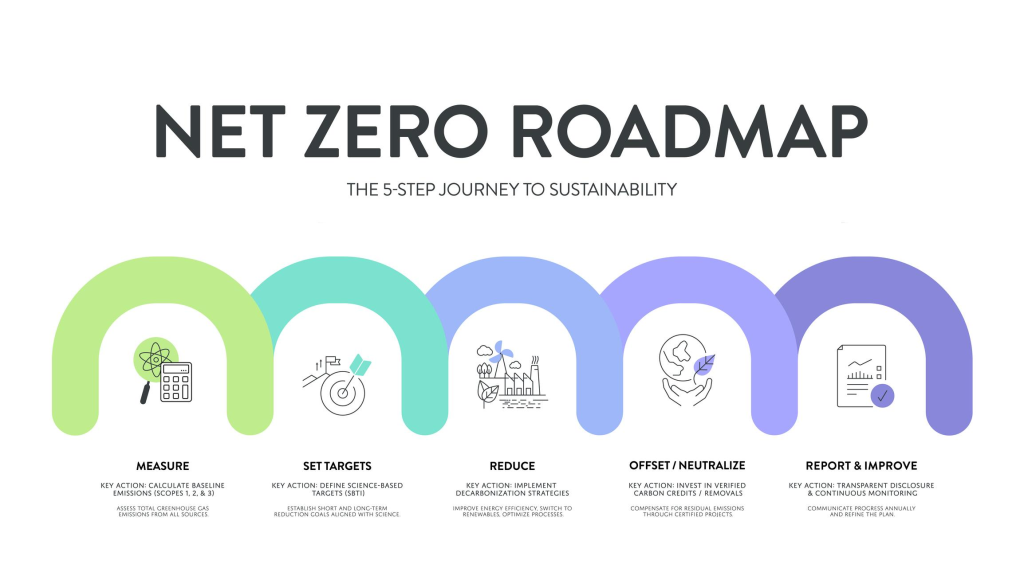
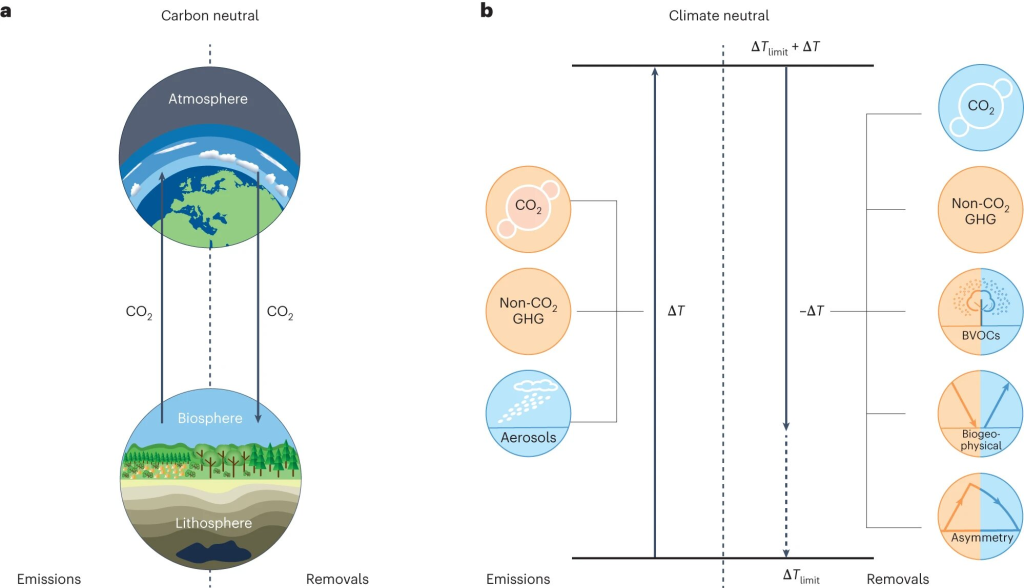
The IPCC is explicit. Even in the most ambitious mitigation pathways, substantial residual emissions remain in sectors such as cement, aviation, heavy industry and agriculture. These emissions are not transitional inefficiencies – they are systemic. They must be balanced by durable carbon removals. The European Commission has acknowledged this reality in its 2040 Climate Target communication, where it outlines the growing role of industrial removals in the EU’s climate architecture.
This is where the debate becomes strategic. Carbon removal is no longer an environmental add-on. It is a structural pillar of climate neutrality.
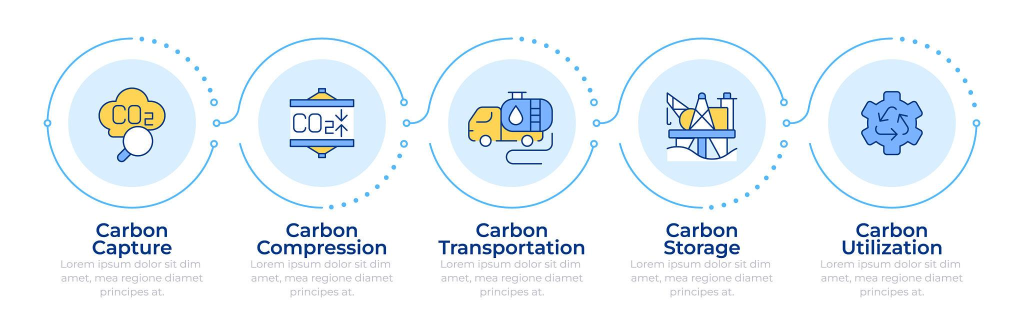
Among the available options, Bioenergy with Carbon Capture and Storage (BECCS) occupies a unique position. Unlike purely nature-based approaches such as afforestation or soil carbon sequestration, BECCS combines sustainable biomass use with industrial carbon capture and permanent geological storage. The carbon absorbed during plant growth is captured at the point of combustion or processing and stored underground, creating measurable and durable negative emissions.
The distinction matters. Nature-based removals are valuable, but they are vulnerable to reversal through drought, fire or land-use change. Their permanence is probabilistic. The EU’s new Carbon Removal Certification Framework reflects this by differentiating between carbon farming and permanent removals. BECCS falls into the latter category, offering storage integrity comparable to fossil CCS – but with the added benefit of removing biogenic CO₂ from the atmosphere.
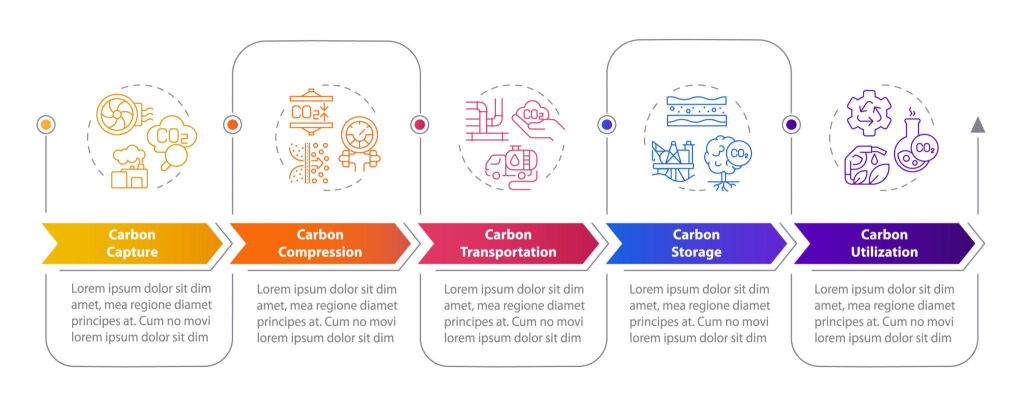
Technologically, BECCS is not speculative. It builds on existing biomass power plants, combined heat and power facilities, pulp and paper mills, and bioethanol installations. Carbon capture systems are commercially available. Geological storage in depleted gas fields and saline aquifers has been demonstrated in Europe, particularly in the North Sea region. According to the International Energy Agency, bioenergy with carbon capture could contribute significantly to global negative emissions in net-zero pathways.
The constraint is not engineering capability. It is regulatory design.
Europe currently lacks a dedicated market framework that turns verified negative emissions into predictable revenue streams. The EU Emissions Trading System does not yet systematically integrate durable removals in a way that creates stable compliance demand. Certification under the CRCF establishes credibility, but certification alone does not guarantee market liquidity. Investors face uncertainty over how removals will be recognized, priced and contracted over multi-decade horizons.
At the same time, sustainability requirements under RED III add compliance complexity without providing a clear premium for negative emissions. CO₂ transport and storage infrastructure is developing, but it is not yet scaled to support a continent-wide BECCS rollout. The policy signal is therefore ambiguous: removals are declared essential, yet the economic mechanism to scale them remains incomplete.
This hesitation carries industrial consequences. The United States has embedded strong incentives for carbon capture through 45Q tax credits under the Inflation Reduction Act. Norway and the United Kingdom are advancing cluster-based models with state-backed support for storage infrastructure. If Europe does not establish comparable certainty, capital will follow clarity elsewhere. Carbon removal capacity, along with associated engineering, jobs and innovation ecosystems, will migrate.
The strategic implication is clear. BECCS is not simply a climate instrument; it is an industrial policy decision. It connects rural biomass value chains, heavy industry decarbonization and energy security. It transforms sustainable biomass from a transitional energy source into a cornerstone of permanent carbon management.
A credible European framework would integrate durable removals into the ETS or an equivalent compliance mechanism, ensuring that negative emissions generate tradable value. It would provide long-term contracts or carbon contracts for difference to stabilize prices. It would differentiate clearly between temporary and permanent removals, rewarding geological storage with higher certainty weighting. And it would accelerate the build-out of CO₂ transport and storage networks as strategic infrastructure, comparable to LNG terminals or hydrogen corridors.
Without these elements, BECCS remains technically viable but financially marginal. With them, it becomes investable at scale.
Europe cannot eliminate every residual emission within the next twenty-five years. Cement chemistry, agricultural methane and long-haul aviation impose physical limits on decarbonization speed. Net zero therefore requires a balancing mechanism that is permanent, measurable and scalable.
Carbon removal is not optional. It is embedded in every credible climate pathway.
BECCS is the only mature technology today that simultaneously produces energy, supports industrial clusters, strengthens biomass markets and delivers durable negative emissions. The question is no longer whether Europe needs it. The question is whether European policy will provide the market architecture that allows it to grow.
If climate neutrality is a structural commitment, then a dedicated BECCS market framework is not a subsidy – it is infrastructure for the net-zero economy.
Selected Sources
European Commission (2024). Communication on Europe’s 2040 Climate Target.
https://climate.ec.europa.eu
Regulation (EU) 2024/3012 – Carbon Removal Certification Framework.
https://eur-lex.europa.eu
IPCC (2023). AR6 Synthesis Report.
https://www.ipcc.ch/report/ar6/syr/
International Energy Agency (2023). CCUS in Clean Energy Transitions.
https://www.iea.org
EU Emissions Trading System (Directive 2003/87/EC and revisions).
https://eur-lex.europa.eu